
Fluoride is a natural mineral that helps protect teeth and is an essential ingredient in oral health care. Your dentist uses a fluoride treatment during your scheduled cleaning, and it’s also a key component in most toothpaste and mouthwash.
Fluoride makes teeth more resistant to tooth decay and helps protect your teeth against cavities. Getting fluoride from various sources can help prevent damage to your teeth and even help reverse active tooth decay.
What Are the Benefits of Fluoride?
Some of the benefits of fluoride include:
- Rebuilding tooth enamel
- Reversing early tooth decay
- Preventing the growth of harmful bacteria in the mouth
- Preventing gum disease
Fluoride helps keep your mouth healthy by protecting the tooth’s enamel, the thin outer covering of the tooth. Worn enamel can leave your teeth susceptible to cavities and decay.
The main benefit of fluoride is the process of remineralization. As you eat, acids from bacteria and sugars wear down the enamel causing the loss of valuable minerals, or demineralization. Minerals such as fluoride are redeposited to remineralize the enamel layer.
Without the remineralization process from fluoride, plaque can build up, damaging the teeth and leading to tooth decay.
The Background on Fluoride
For over 70 years, researchers have been studying fluoride and its effects on our health. Water fluoridation is a community-wide action; about 38% of Canadians drink fluoridated water from their taps.
The rate of tooth decay has dropped as a result, from 74% of children in 1970 to 1972 down to less than 25% from 2007–2009. Consistent, low-level exposure to fluoride is a significant benefit to healthy teeth and gums.
In Canada, the optimal level of fluoride in water sources is 0.7 milligrams per litre (mg/L). This level accounts for the other sources of fluoride you’re getting from toothpaste or mouthwash.
If your primary water source is well water from a private well, you should have your water tested for the presence of fluoride and its levels. If your well’s fluoride levels are too high, you may consider getting a filtration system to remove or reduce fluoride or find an alternative cooking and drinking water source.
What Are the Primary Sources of Fluoride?
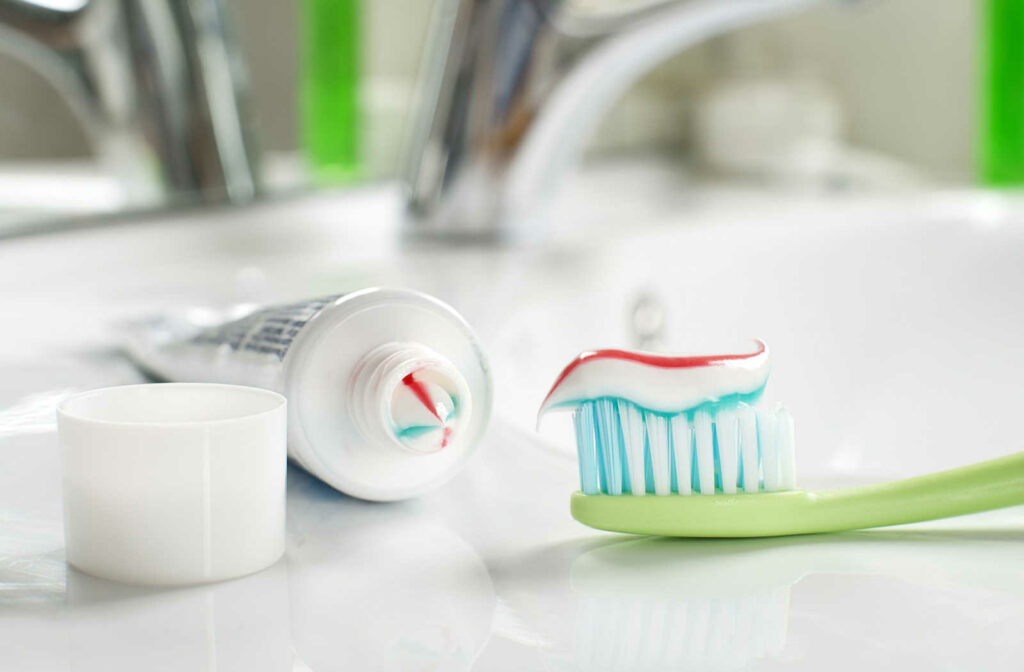
Several sources of fluoride can help prevent cavities and tooth decay. Some of the primary sources of fluoride are:
- Toothpaste
- Varnishes
- Mouthwash
- Water
- Supplements
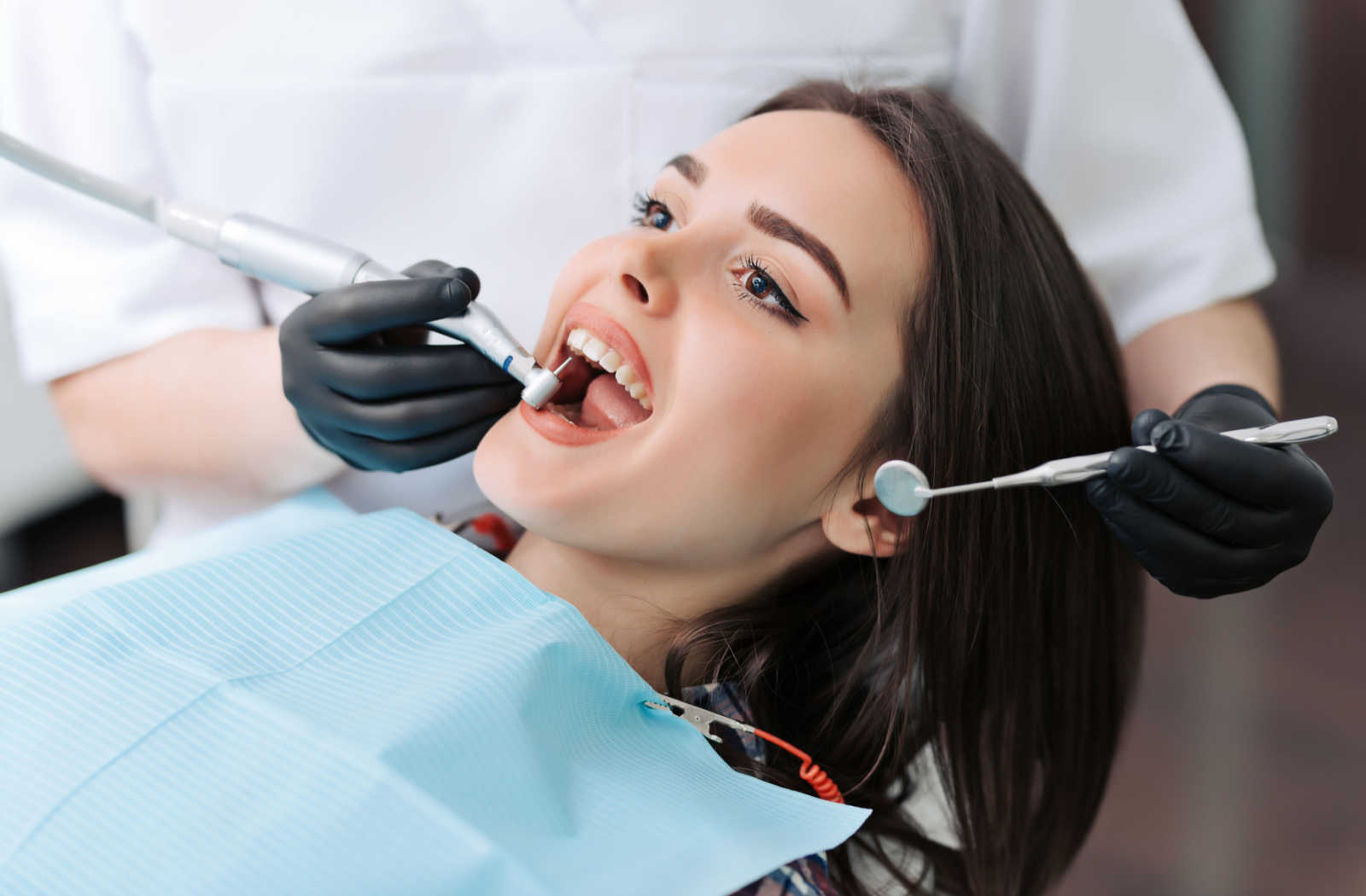
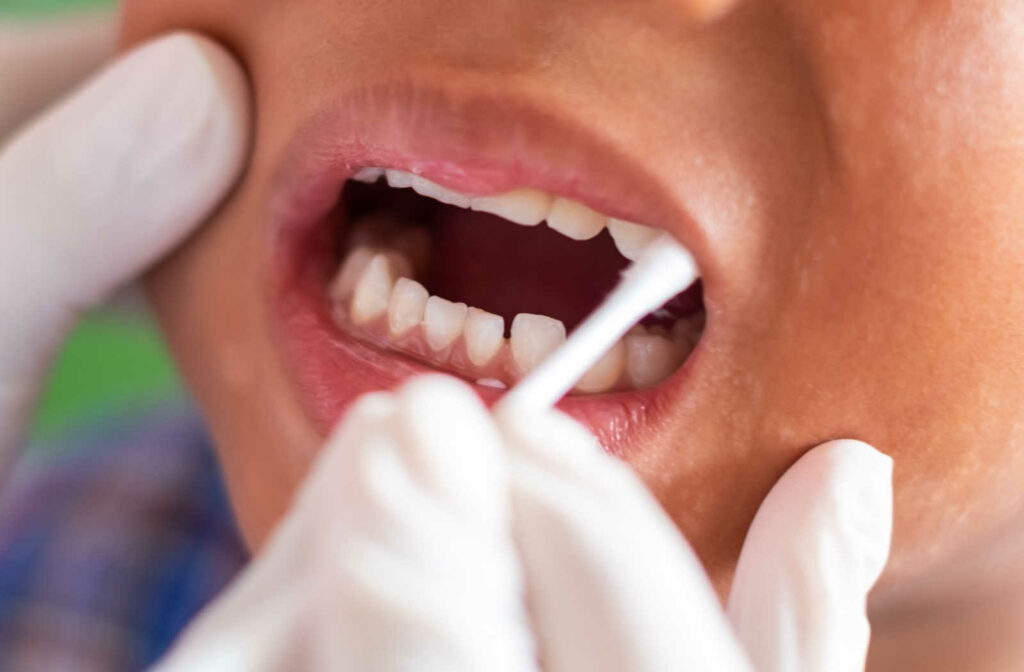
Dental office treatments use fluoride varnish by painting each tooth to prevent cavities. Fluoride varnish is typically included in your cleaning every 6 months or once per year.
When Is Fluoride Intake Most Important?
Anyone can develop tooth decay or cavities if they’re not actively caring for their oral health. However, some are at higher risk of tooth decay, and fluoride is essential. This includes those with:
- Dry mouth conditions
- Gum disease, or periodontal disease, which can expose your tooth’s root to more bacteria
- History of frequent cavities
- Presence of crowns and bridges
Your dentist can help you determine whether you’d benefit from a boost of fluoride to protect your enamel.
Do Children Need Fluoride?
Children need fluoride like adults to prevent tooth decay and cavities in their primary teeth, otherwise known as baby teeth. Even before their teeth break through the gums, they benefit from the fluoride they may ingest from water. The fluoride becomes a part of their saliva, helping to maintain strong enamel.
As infants are teething, experts recommend smearing a small amount of fluoride toothpaste twice daily along their gums. Starting early helps your child set the stage for a healthy mouth and positive oral health habits.
After the age of 3, under supervision, children can use a small pea-sized amount of fluoride toothpaste. Remind your child that they need to spit out the toothpaste rather than swallow.
Are There Downsides of Fluoride?
Too much fluoride can have consequences. Though prolonged exposure to extreme amounts of fluoride is rare, it can cause:
- White specks on mature teeth (dental fluorosis)
- Staining and pitting
- Weak, dense bones (skeletal fluorosis)
Acute fluoride poisoning from an immediate overdose can lead to:
- Nausea
- Tiredness
- Excessive sweating
Overdoses of fluoride tend to come from excessive ingestion of toothpaste and fluoride supplements, so it’s critical to follow your dentist’s recommendations if they prescribe additional fluoride. It’s worth noting that brushing with fluoride toothpaste typically provides more benefits than risks, so long as you spit out the toothpaste afterwards.
Schedule a Cleaning to Get Your Next Fluoride Treatment
Contact us at Sixth Line Family Dental for your next cleaning appointment for professional-grade fluoride varnish that protects your enamel and supports your oral health. Our experienced dental team can help you fight against cavities and tooth decay to keep your smile healthy.